

Blog List

25
June
The Hidden Challenge of Weight Loss: Losing Muscle
When working to lose weight, most people focus on the number on the scale. But what the scale doesn’t show is what kind of weight is being lost — and that matters greatly. Along with fat, a significant amount of muscle mass is often lost during weight loss.
This is a hidden challenge. Muscle is far more than just strength or tone — it powers metabolism, supports mobility, maintains energy, and even helps regulate immune function. Losing muscle during weight loss can slow down metabolism, reduce strength, and make it harder to maintain the results over time.
The good news: with the right nutrition, exercise, and recovery habits, it is absolutely possible to preserve lean muscle while reducing fat — leading to a healthier, stronger, and more resilient body.

The Impact of Muscle Loss During Weight Loss
While the primary goal of weight loss is usually reducing fat, muscle mass can decline significantly during this process
The loss of lean mass affects more than strength. Muscle plays a vital role in immunity, glucose regulation, and metabolic health. Research shows that muscle loss is linked to higher risk of infections, poorer blood sugar control, and increased likelihood of sarcopenic obesity — a condition associated with poorer cardiovascular outcomes and higher mortality
Without adequate dietary protein and resistance activity, the body may break down muscle tissue to meet energy needs¹. Weight loss strategies that neglect muscle preservation can undermine both metabolic health and long-term weight maintenance.
1. Make Protein a Daily Priority
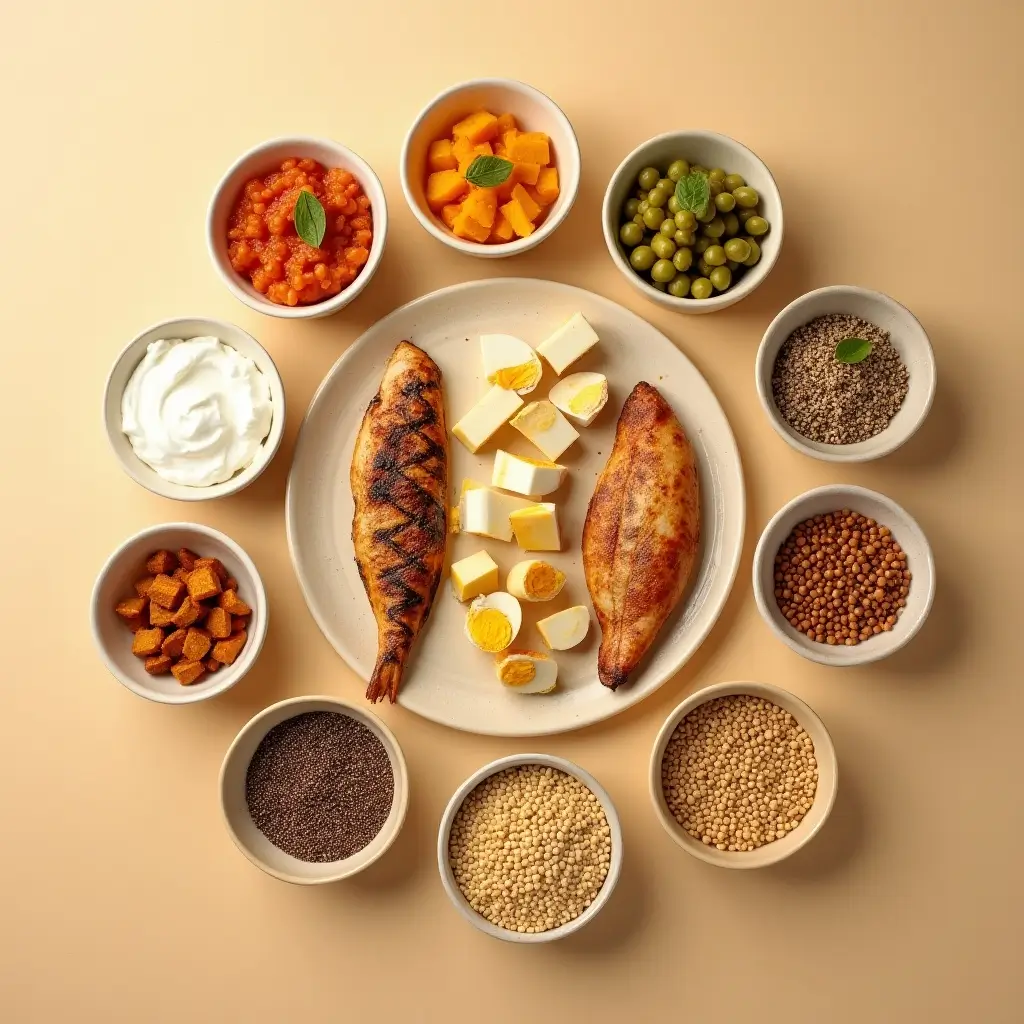
Protein is key to muscle preservation. Adequate protein intake helps counteract the muscle breakdown that can occur during calorie deficits. It also supports recovery from exercise and promotes satiety.
Protein options to include:
2. Spread Protein Intake Across Meals
Instead of consuming most protein at dinner, aim to include it in every meal and snack. This helps maintain a steady flow of amino acids to the muscles throughout the day.
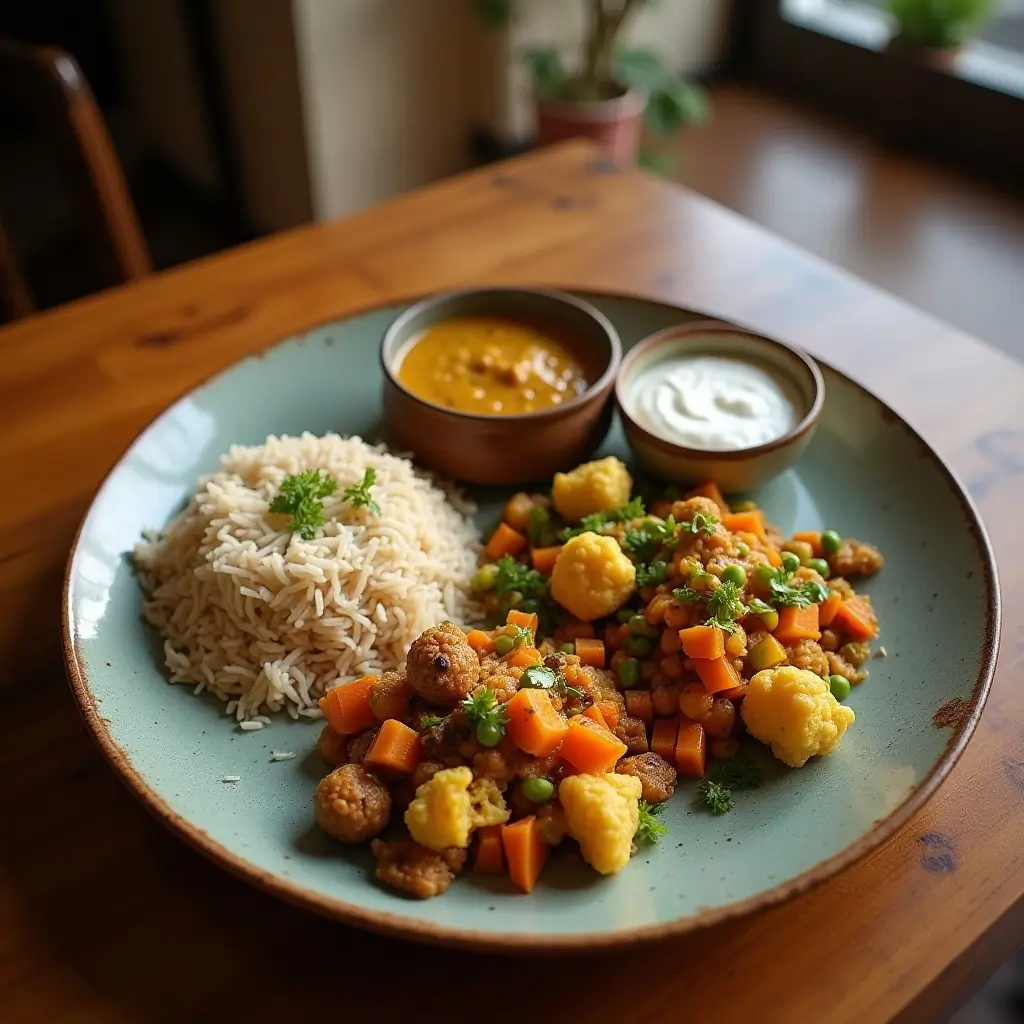
Example meal plan:
- Breakfast: Moong dal chilla with paneer filling
- Lunch: Brown rice + dal + curd + vegetables
- Evening snack: Boiled eggs or roasted chana
- Dinner: Grilled fish or tofu with vegetables
3. Body Mass Index (BMI)
General guidelines recommend a baseline of 0.8–1.0 g/kg body weight/day for healthy adults. However, expert reviews suggest that during intentional weight loss, protein needs may increase to about 1.0–1.2 g/kg/day to help preserve lean mass and support metabolic health.
For a person weighing 60 kg, this would mean aiming for about 60–72 grams of protein per day — achievable with balanced meals and mindful food choices.
4. Choose High-Quality Protein Sources
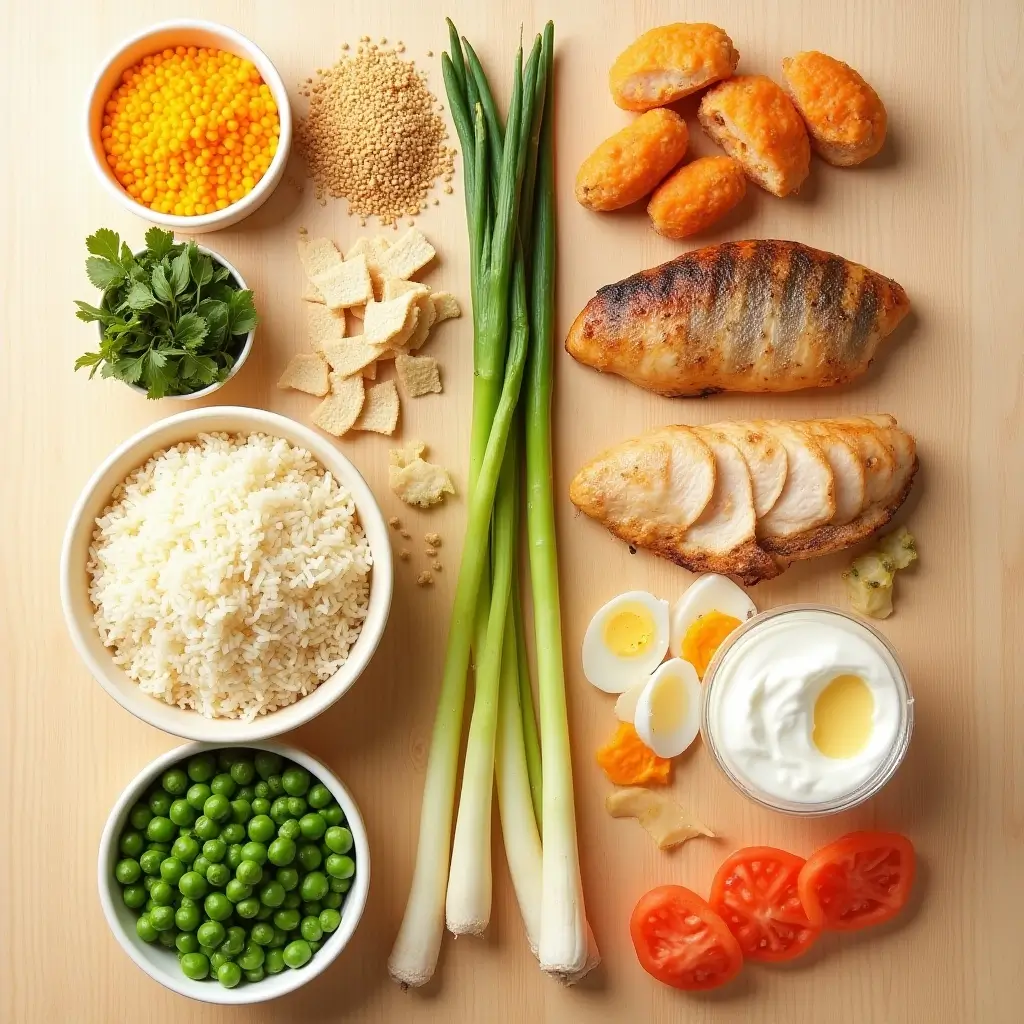
Complete proteins contain all essential amino acids — critical for muscle repair.
Example meal plan:
- Animal proteins (eggs, fish, poultry, dairy) are complete.
- Plant-based eaters should combine protein sources (dal + rice, soy + whole grains) to ensure amino acid variety.
5. Include Resistance Exercises
Muscle responds to use — so strength training or resistance exercises (weights, bodyweight workouts, yoga, pilates) signal the body to maintain muscle even during weight loss.
2–3 sessions a week are ideal — even simple home-based routines can be very effective.
6. Pay Attention to Recovery & Sleep
Muscle repair happens during rest — and poor sleep can disrupt hormones that regulate muscle growth and fat loss. Aim for 7–8 hours of quality sleep per night.
Also, alternate intense workouts with rest days to allow muscles to rebuild.
7. Don’t Neglect Variety & Enjoyment
Eating the same dal-chawal every day can lead to nutrient gaps and meal fatigue. Keep meals varied — rotate protein sources, try new recipes, add spices and herbs for flavour.
Example tweaks:
- Add chia seeds or flaxseeds to smoothies
- Use curd as a marinade for chicken or vegetables.
- Stir Greek yogurt into gravies or soups for a protein boost.
Regular monitoring ensures early detection of risks, allowing timely adjustments to your care plan

Final Thoughts: Think Beyond The Scale
Weight loss should not come at the expense of health. A focus on fat loss plus muscle preservation creates a leaner, stronger, more resilient body — and makes it easier to maintain results long term.
Protein, movement, recovery, and consistency — these simple steps can make all the difference. Always consult a qualified dietitian or healthcare provider to personalise protein targets and create a safe, sustainable plan.
Reference:
- 1. Ispoglou, T. et al. (2023). Nutrition and exercise strategies topreserve lean body mass during weight loss: A practical guide. Frontiers in Nutrition, 10, 1149276.
- 2. Prado, C. M. et al. (2024). Muscle matters: the effects of medically induced weight loss on skeletal muscle. The Lancet Diabetes & Endocrinology.
- 3. Krishnaswamy, K. et al. (2020). Protein requirements: Consensus document. Indian Journal of Medical Research, 151(6), 530–555.
02 Comments
Kevin martin
March 20, 2023 at 2:37 PM
Neque porro est qui dolorem ipsum quia quaed inventor veritatis et quasi architecto beatae vitae dicta sunt explicabo. Aelltes port lacus quis enim var
Sarah albert
June 10, 2023 at 10:00 AM
Moving the goalposts sorry i was triple muted, so what do you feel you would bring to the table if you were hired for this position. A better understanding