

Allergic Rhinitis


What is Allergic Rhinitis?
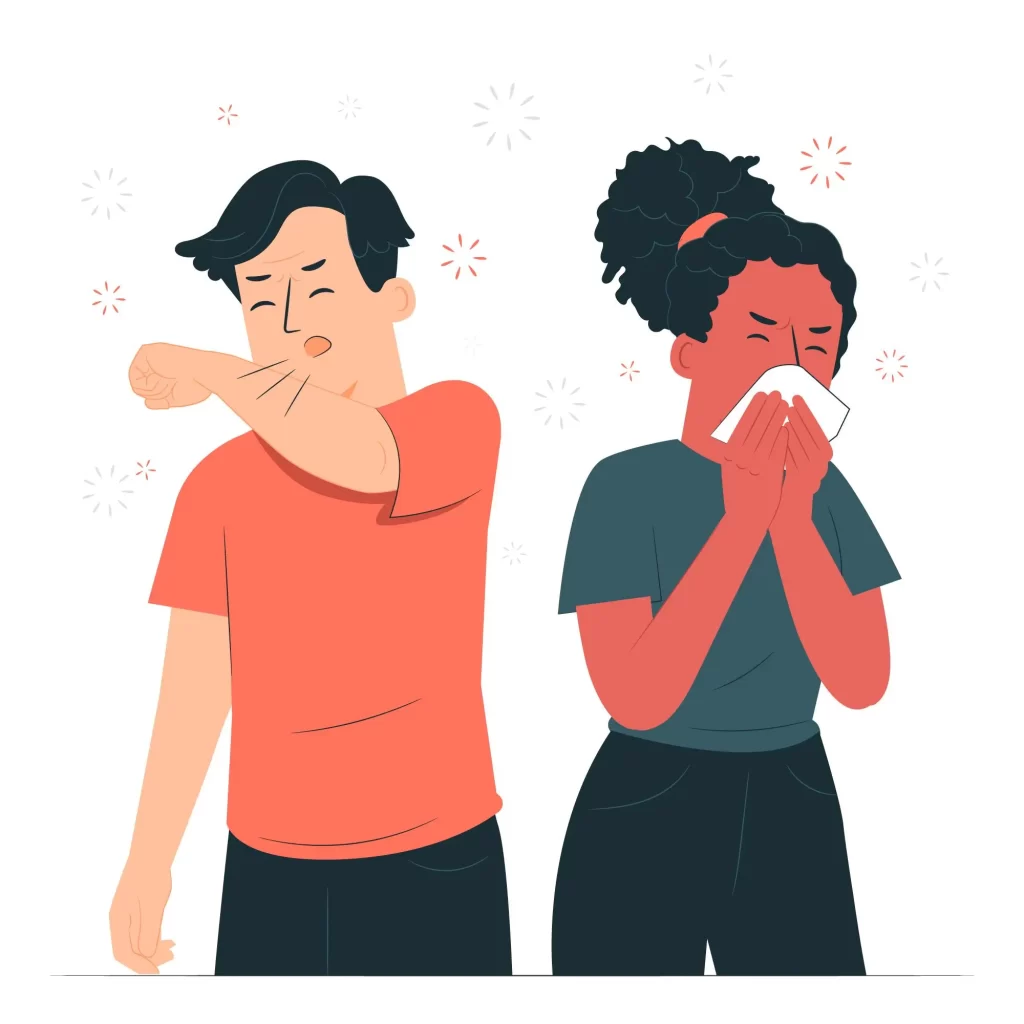
Allergic rhinitis is a diagnosis associated with a group of symptoms affecting the nose. These symptoms occur when you breathe in something you are allergic to, such as dust, animal dander, or pollen. It is also known as hay fever.
Signs & Symptoms

Given below are some of the signs & symptoms of Allergic Rhinitis
Nasal stuffiness (congestion)
Sneezing and runny nose
Itchy nose, throat and eyes
Headaches
Sinus pain and dark circles under the eyes
Increased mucus in the nose and throat
Fatigue and malaise (general feeling of discomfort)
Sore throat from mucus dripping down the throat (postnasal drip)
Wheezing
Coughing and trouble breathing
What are the causes of Allergic Rhinitis?
Allergic rhinitis occurs when your body’s immune system reacts to an irritant in the air. The irritants (allergens) are so tiny that you can easily inhale them through your nose or mouth. Allergens are harmless to most people. But if you have a hyper reaction, your immune system thinks the allergen is intruding.
Seasonal and perennial allergies can result from many allergens, including:- Dust mites that live in carpets, drapes, bedding and furniture.
- Pollen from trees, grass and weeds.
- Pet dander (tiny flakes of dead skin).
- Mold spores.
- Cockroaches, including their saliva and waste.
How to diagnose Allergic Rhinitis?
Your healthcare provider will examine you, ask about your symptoms and evaluate you for other conditions, such as a cold or asthma.
To measure your antibodies to specific allergens, your provider may take a blood sample and send it to a lab for testing. This blood test is called an immunoglobulin E (IgE) test. It can detect all types of allergies, including food allergies.
Your provider may recommend a skin prick test to determine what allergens are causing your symptoms.
How to treat Allergic Rhinitis?
- Several allergy medications can improve symptoms and help you live with hay fever. These treatments come in many forms, including liquids, pills, eye drops, nasal sprays and injections.
- In most cases treatment aims to relieve symptoms, such as sneezing and a blocked or runny nose.
- If you have mild allergic rhinitis, you can often treat the symptoms yourself.
- Talk to your provider before taking any medication, especially if you’re pregnant or have other health concerns.
What are the different types of Allergic Rhinitis?
Seasonal allergies
Seasonal allergies usually occur during the spring and fall season and are typically in response to outdoor allergens like pollen.
Perennial allergies
Perennial allergies occurs year round, or at any time during the year in response to indoor substances, like dust mites and pet dander.



How to prevent Allergic Rhinitis?
There is no way to prevent allergic rhinitis, but lifestyle changes can help you live with allergies. You can relieve hay fever symptoms by avoiding irritants as much as possible. To reduce symptoms, you should:
Avoid touching your face and rubbing your eyes or nose.
Enclose pillows, mattresses and box springs in dust mite covers
Wear a hat and sunglasses to protect your eyes from pollen when you’re outside. Change your clothes as soon as you come indoors
Close windows in your home and car during summer and early fall when pollen counts are higher
Keep pets off couches and beds, and close doors to bedrooms
Wash your hands often, especially after playing with pets
Use filters in your vacuum cleaner and air conditioner to reduce the amount of allergens in the air
Talk to your Doctor to know which allergen causes you allergy & then you can avoid the same.
latest recipes
our latest recipes



Herb Grilled Chicken Breast
Herb grilled chicken is a healthy choice for diabetics as it is Herb grilled chicken is a healthy choice for diabetics as it is …
Read More
Videos List
Diet is an essential part of healthy living ,below you can find regional diet plan that can help you with your Lifestyle modification.