
High Cholesterol


What is High Cholesterol?
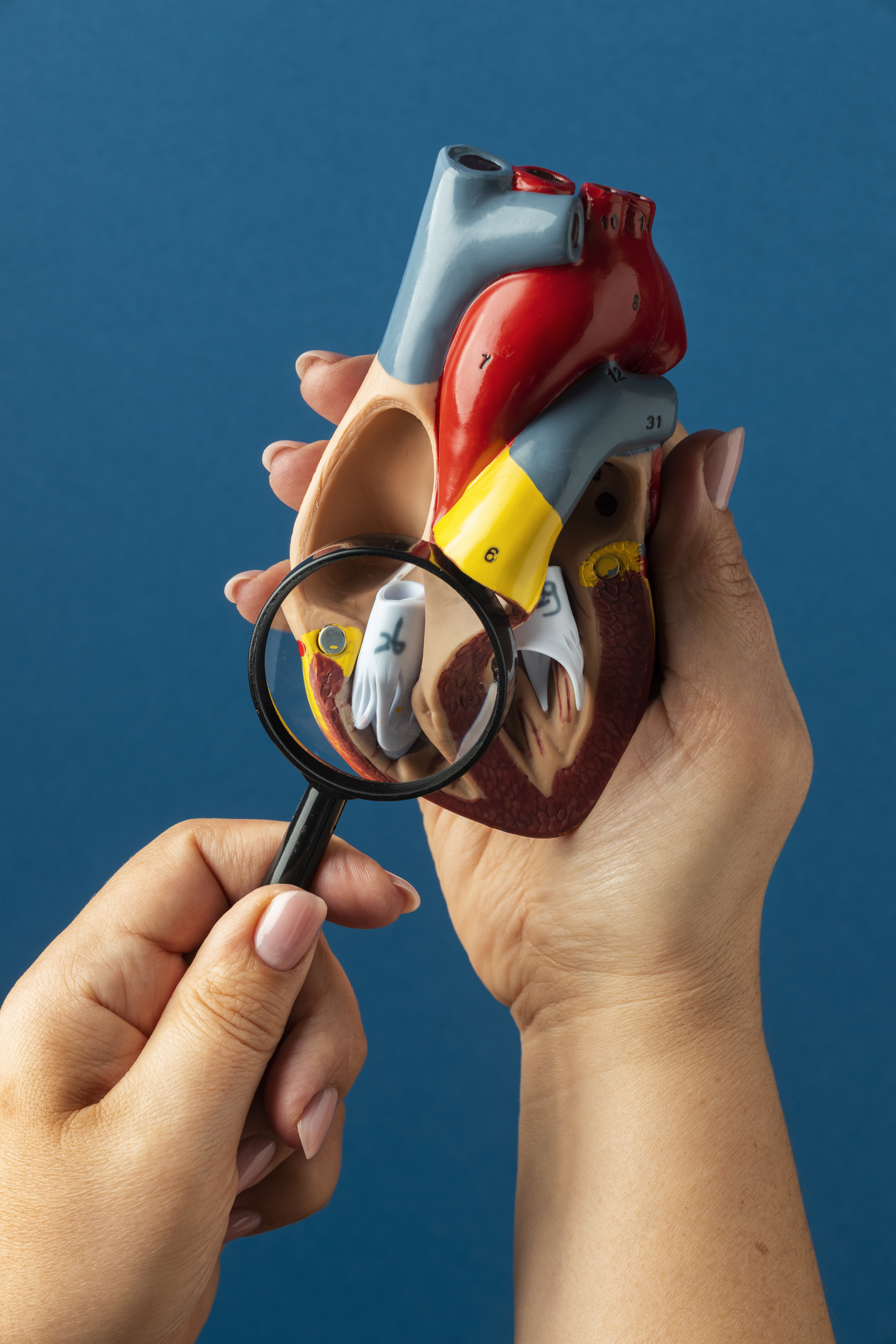
High cholesterol or high body fat, sometimes referred to as dyslipidaemia, is the term used to describe unhealthful blood levels of one or more lipids (fats). The “bad” kind of cholesterol is referred to as LDL. That’s because it can accumulate and create clumps or plaque to grow on the artery walls. A heart attack can be brought on by having too much plaque in your heart’s arteries. The calories you consume which don’t immediately burn will produce triglycerides. In fat cells, triglycerides are stored. When you require them, they are released as energy. However, if you consume more calories than you expend, triglycerides may accumulate in your body.
- Smoking Cigarettes
- Being Overweight
- Leading a Sedentary Lifestyle
- High blood pressure in lung blood vessels
- Eating Foods High in Saturated and Trans-fats
Causes for high cholesterol or dyslipidemia
Signs & Symptoms

High cholesterol doesn’t have overt symptoms as high blood pressure does.
Very often, a regular blood test will reveal it.
What are the causes for high cholesterol or dyslipidemia?
Smoking cigarettes, being overweight and leading a sedentary lifestyle, eating foods high in saturated and trans-fats, and drinking excessive amounts of alcohol can cause or contribute to elevated triglyceride levels. If one or both of your parents had dyslipidemia, you were more likely to have primary dyslipidemia. A risk factor for elevated cholesterol increases with age. Up until menopause, women often have lower LDL levels than males. Women’s LDL levels start to increase at that point. The following medical issues can also increase your risk of dyslipidemia: Chronic renal disease, hypothyroidism, and type 2 diabetes.
What are the complications of high cholesterol or dyslipidemia?
Cholesterol can interact with other chemicals to produce a hard deposit on the inside of your arteries known as plaque if your LDL or HDL levels are too high or too low. Your chance of having a number of health issues, including a stroke and blockages in other blood arteries that feed your limbs and nerves, increases when fatty deposit deposition occurs inside the arterial wall of your blood vessels.
FAQs
How to diagnosis high cholesterol or dyslipidemia?
You may determine if your LDL, HDL, and triglyceride levels are high, low, or within a safe range with a straightforward blood test. Considering that these figures might alter from year to year, taking a blood test every year is a smart idea. Your doctor might recommend more regular blood tests if you take medication for dyslipidemia.
How is high cholesterol or dyslipidemia treated?
The most often prescribed drugs (statin) work to lower LDL levels by preventing the liver’s ability to produce cholesterol. Other cholesterol drugs may also be recommended by your doctor. They can be used instead of or in addition to statins.
What dietary adjustments are required following dyslipidemia or high cholesterol?
You may be able to lower your cholesterol and triglyceride levels by making lifestyle adjustments. Changing your diet is the first step. Consuming less alcohol, processed sugar, and saturated fat should be among the changes. Your diet may benefit from include more fruits, vegetables, lean meats, and healthy grains.


Risk Factors
Several factors can increase your risk of getting dyslipidemia or elevated cholesterol, such as:
Diabetes
Diabetes is a chronic health condition that affects how your body turns food into energy. It occurs when the body either doesn't produce enough insulin or can't use it effectively, leading to high blood sugar levels.
Tobacco Smoking
Tobacco smoking is the act of inhaling smoke from burning tobacco products, such as cigarettes, cigars, or pipes. It is a leading cause of preventable diseases and deaths worldwide, linked to lung cancer, heart disease, stroke, and respiratory issues.
History of High Cholesterol
History of high cholesterol refers to a medical condition where an individual has consistently elevated levels of cholesterol in the blood over time. This condition increases the risk of developing heart disease, stroke, and other cardiovascular problems.
Excessive Alcohol Consumption
Excessive alcohol consumption refers to drinking more alcohol than is recommended, including binge drinking and heavy drinking over time.
latest recipes
our latest recipes
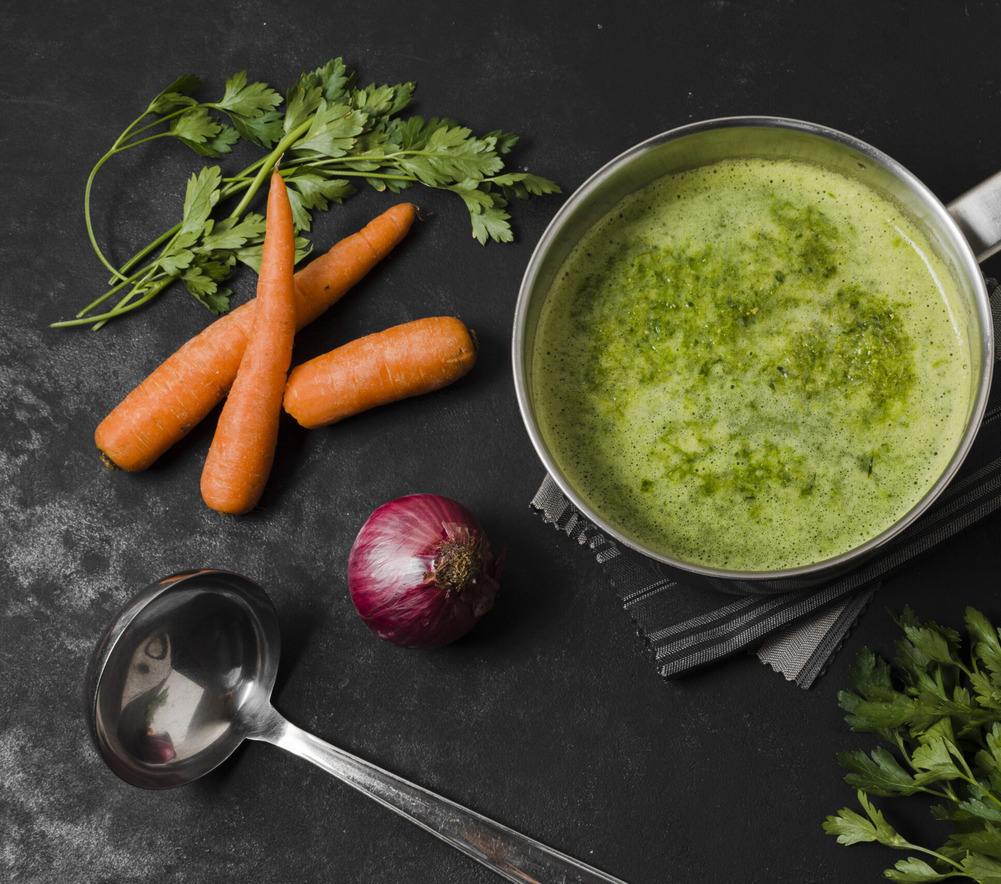

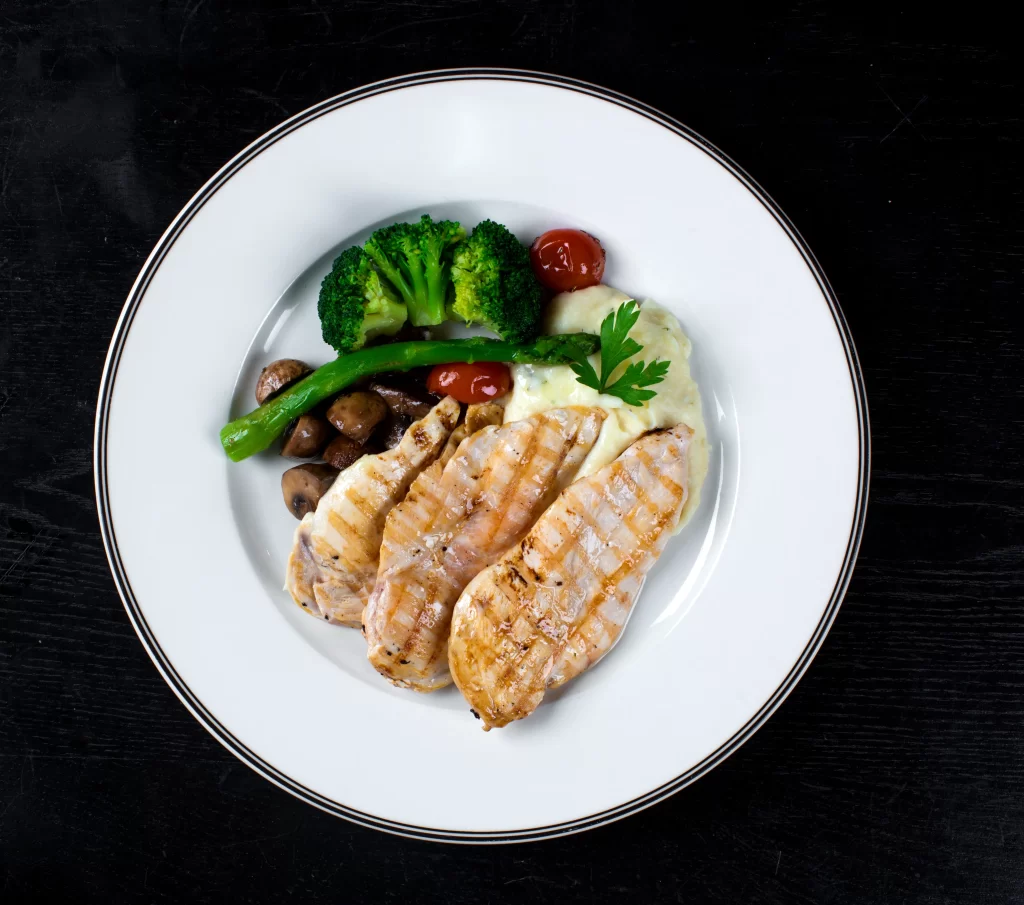
Herb Grilled Chicken Breast
Herb grilled chicken is a healthy choice for diabetics as it is Herb grilled chicken is a healthy choice for diabetics as it is …
Read More
Videos List
Diet is an essential part of healthy living ,below you can find regional diet plan that can help you with your Lifestyle modification.